
Pakistan arrive at the ICC Men’s T20 World Cup 2026 having taken one of the most decisive selection calls in recent memory. The appointment of Salman Ali Agha as captain signals a clear reset across leadership and tactical direction, as the PCB pivots sharply toward spin dominance.
This is a Pakistan side shaped almost entirely by conditions. With all group matches scheduled in Sri Lanka, selection has leaned toward spin variety, batting intent and adaptability, even at the cost of leaving out established stars. The omission of Mohammad Rizwan and Haris Rauf underlines the seriousness of this shift.
Placed in Group A alongside India, USA, Netherlands and Namibia, Pakistan face a familiar mix of pressure, rivalry and unpredictability. With knockouts also scheduled in Colombo if they progress, their tournament is likely to be defined by how effectively this spin-centric blueprint holds up under elite pressure.
Pakistan’s Road to T20 World Cup 2026: Conditions Before Reputation
Pakistan’s build-up to the tournament has been dominated by strategic recalibration. The PCB has openly embraced a horses-for-courses philosophy, selecting players suited to slow, low Sri Lankan surfaces.
Salman Ali Agha’s elevation to captain marks the first World Cup in years without Babar Azam or Shaheen Shah Afridi leading the side. The move reflects a desire for tactical flexibility and calm decision-making in spin-driven contests.
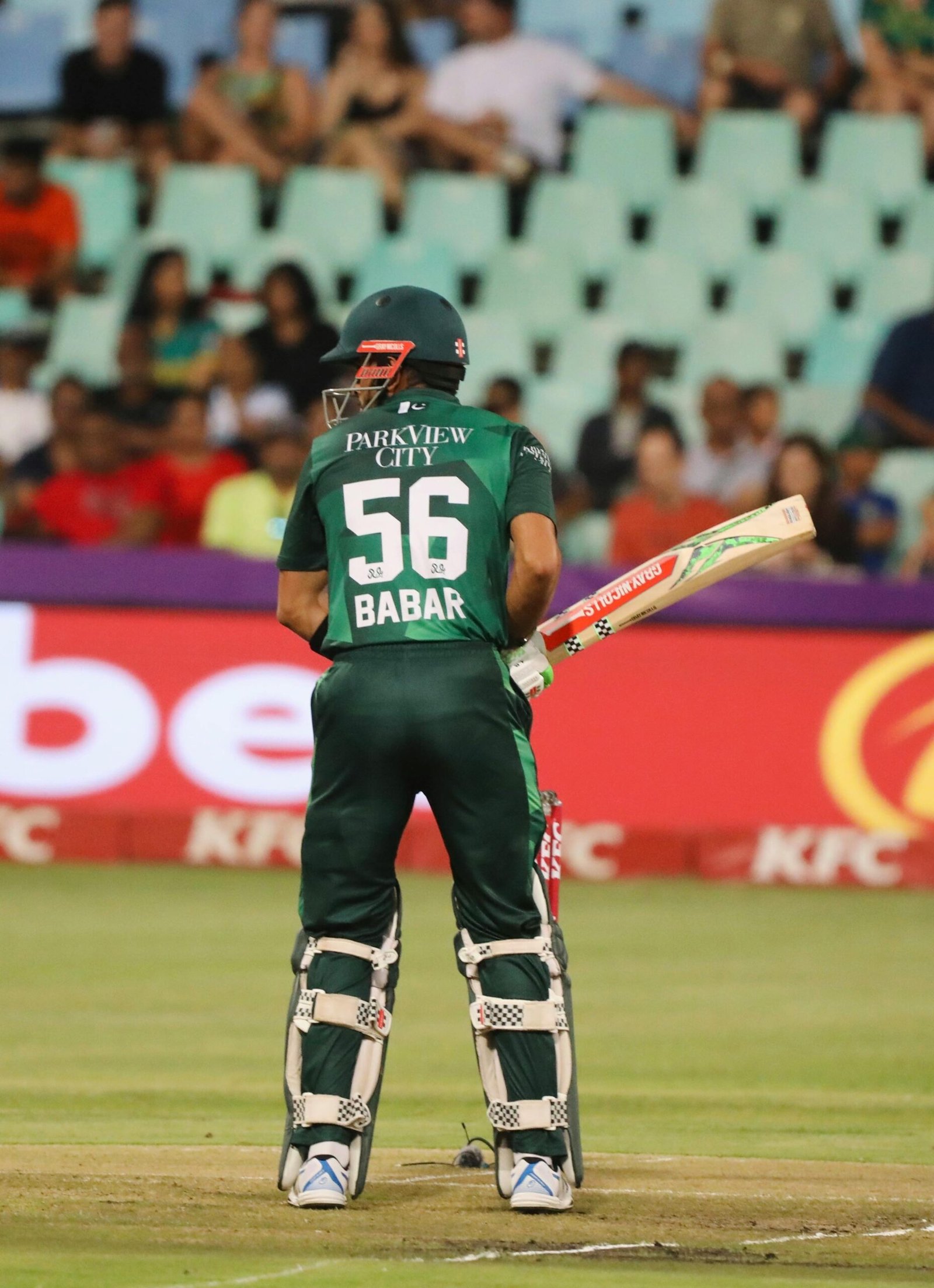
Batting selection has also shifted toward intent. Saim Ayub is expected to set the tone at the top with fearless stroke play, supported by Sahibzada Farhan’s ability to maintain tempo. Babar Azam remains part of the core despite recent strike rate concerns, with management trusting his Asian record and anchoring ability.
Pakistan’s final preparations come through a three-match T20I series against Australia in Lahore, starting January 29. This series will be crucial in refining combinations and assessing how the new leadership functions under pressure.
Group A Challenge: Spin Control and Big Match Temperament
Group A includes India, the USA, the Netherlands and Namibia.
Pakistan open against the Netherlands before facing the USA and then India in the marquee clash at R. Premadasa Stadium. With all matches in Sri Lanka, familiarity with conditions could be an advantage if execution matches intent.
Batting depth remains a work in progress. Fakhar Zaman and Usman Khan provide power through the middle order, while Khawaja Mohammad Nafay’s inclusion offers an aggressive wicketkeeping option capable of quick momentum shifts.
The bowling strategy is clear and unapologetic. Pakistan are expected to deploy extended spells of spin, often bowling 12 to 16 overs of slow bowling per match. Abrar Ahmed’s mystery spin is central to this plan, supported by Shadab Khan’s leg spin and Mohammad Nawaz’s left arm control. Usman Tariq adds another specialist spin option tailored specifically for these surfaces.
Pace is lean but targeted. Shaheen Shah Afridi and Naseem Shah handle the new ball, while Mohammad Salman Mirza provides raw speed as a contrast option in the middle and death overs.
Venues, Conditions and Tactical Factors
Pakistan will play all their group matches in Colombo, split between SSC and R. Premadasa Stadium.
Group stage schedule
February 7, Pakistan vs Netherlands, Colombo
February 10, Pakistan vs USA, Colombo
February 15, Pakistan vs India, Colombo
February 18, Pakistan vs Namibia, Colombo
Colombo surfaces are expected to slow down as the tournament progresses, rewarding accuracy, variation and spin control. R. Premadasa Stadium, in particular, has historically favoured teams that dominate the middle overs through spin.
Off-field uncertainty briefly clouded Pakistan’s preparations following diplomatic tensions involving Bangladesh and travel concerns. However, the squad announcement on January 25 has confirmed Pakistan’s participation, allowing focus to return fully to cricketing matters.
Pakistan Squad for ICC Men’s T20 World Cup 2026
Pakistan have named a squad built around spin depth, tactical intent and a fresh leadership core.
Pakistan cricket team: Salman Ali Agha captain, Babar Azam, Fakhar Zaman, Saim Ayub, Sahibzada Farhan, Khawaja Mohammad Nafay, Usman Khan, Shadab Khan, Mohammad Nawaz, Faheem Ashraf, Shaheen Shah Afridi, Naseem Shah, Abrar Ahmed, Usman Tariq, Mohammad Salman Mirza.
Pakistan may look unconventional on paper, but this squad reflects conviction rather than compromise. If their spin siege holds under pressure and the new leadership settles quickly, Pakistan have the tools to thrive in Colombo and reassert themselves as a serious force at the ICC Men’s T20 World Cup 2026.