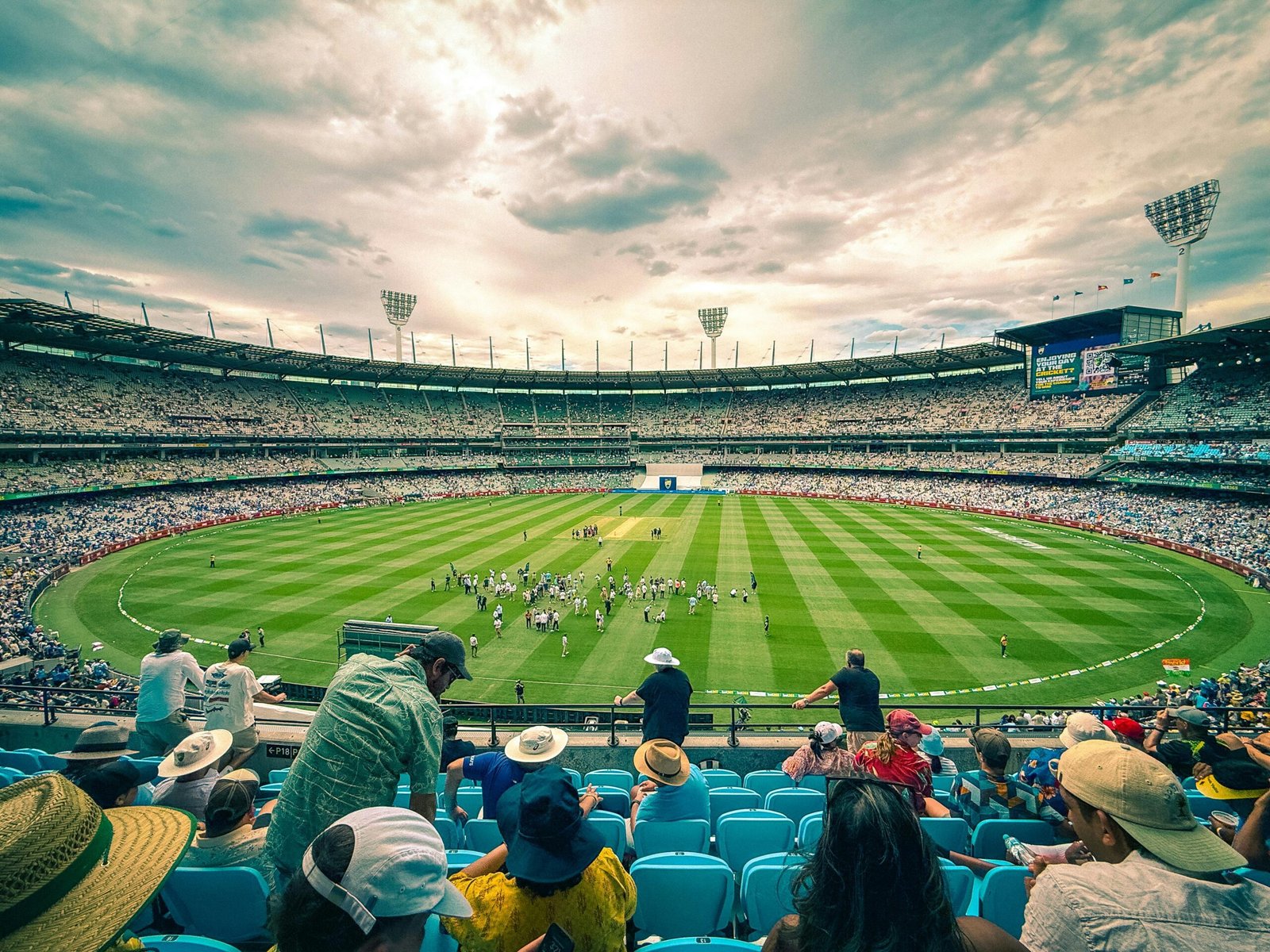
The Safety vs Entertainment debate in Test cricket came back into focus after the first day of the fifth Ashes Test at the Sydney Cricket Ground (SCG) was cut short due to bad light, rain, and lightning protocols. Despite a record crowd in attendance, umpires decided to take players off the field early, triggering strong reactions from former players, commentators, and fans.
England finished the day on 211 for 3 in 45 overs, but play ended around half an hour before the scheduled close. The early finish did not go down well with spectators, many of whom voiced their frustration inside the ground.
Why was play stopped early at the SCG?
Play was halted 15 minutes before the scheduled tea break when umpires Ahsan Raza and Chris Gaffaney ruled that the light had become unsafe. Lightning strikes in the Sydney area then delayed the restart of the final session, as per existing safety rules. Under current protocols, play cannot resume until at least 30 minutes have passed since the most recent lightning strike in the vicinity.
Although the rain stopped later in the evening, ground staff chose not to begin a clean-up operation because more showers were expected. Eventually, play was abandoned just after 5 pm local time, well before the planned close of play. The decision was met with loud boos from the crowd of 49,574, the highest Test attendance at the SCG since the 1975–76 season.
England batters Joe Root and Harry Brook were at the crease when play stopped. Brook later explained that visibility had dropped sharply and that players from both teams felt conditions were unsafe.
Vaughan questions Test cricket mindset on safety vs entertainment
Former England captain and commentator Michael Vaughan led the criticism, calling for a change in mindset among match officials and administrators. Speaking on BBC’s Test Match Special, Vaughan said fans who paid for a full day of cricket were “sawn off” by the early finish.
Vaughan argued that Test cricket is often treated more cautiously than limited-overs formats. He pointed out that in T20 cricket, play often continues under similar lighting and weather conditions. According to him, Test cricket needs the same urgency to stay on the field and protect the spectacle for fans.
Former Australia fast bowler Jason Gillespie echoed similar concerns, saying the game often “shoots itself in the foot” by being overly careful. However, those directly involved defended the decision. Harry Brook said he could “hardly see the ball” while batting, and Australia assistant coach Daniel Vettori (/team/australia-cricket-team/) stressed that teams must follow the rules, even if fans want more action.
The incident has once again highlighted the fine balance cricket must strike between player safety and entertainment, especially in Test matches played in challenging conditions. Play on day two will start 30 minutes early to make up lost time.