
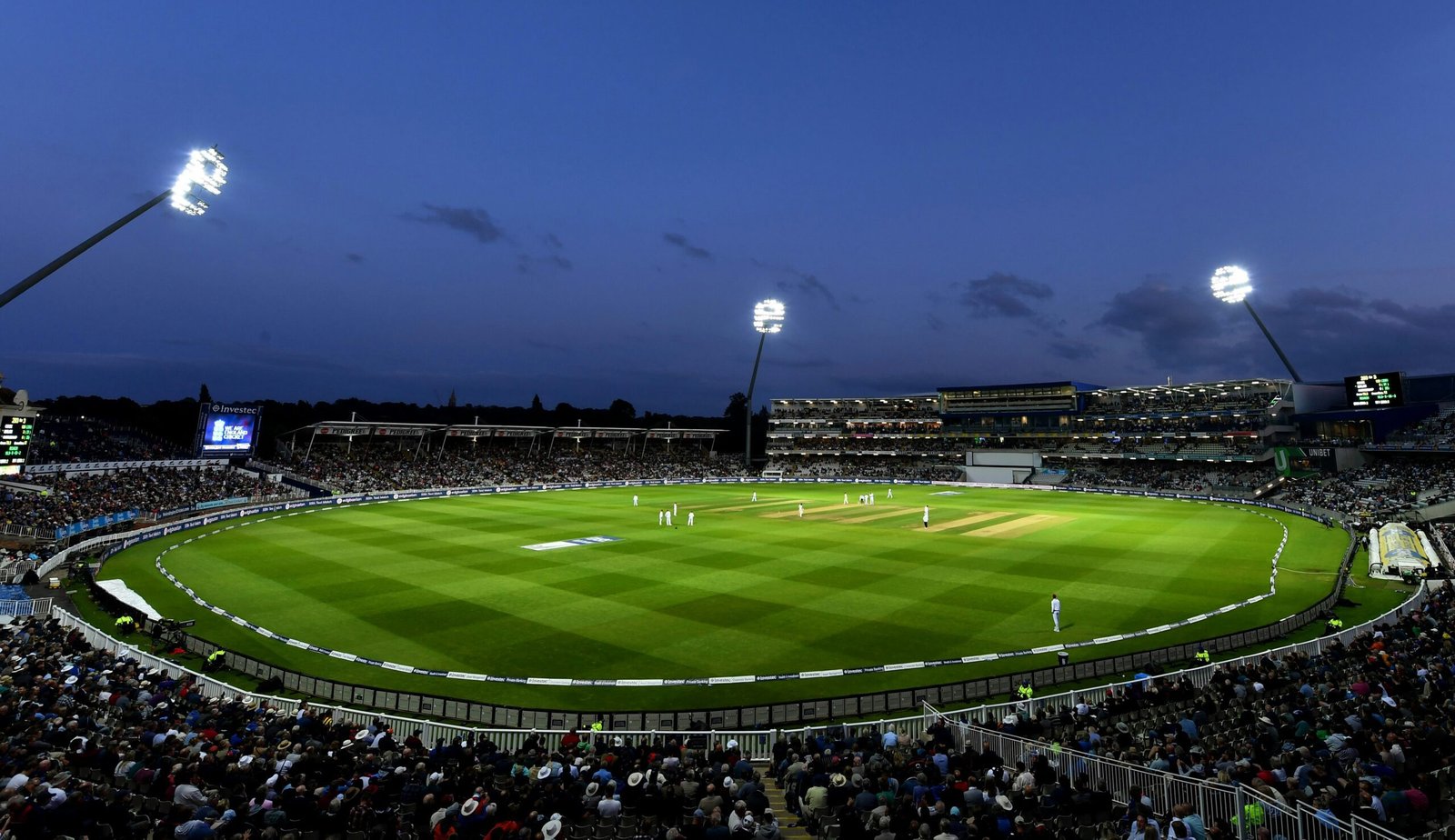
On December 26, Boxing Day, three new T20 leagues were launched in Super Smash in New Zealand, SA20 in South Africa, and BPL in Bangladesh. The Big Bash League and ILT20 were already underway, bringing the total number of T20 leagues currently in play to five.
In the next few days, fans will have access to at least five matches per day. The ILT20, which started on December 2 and concluded on January 4. The Big Bash League will run until January 25. The three news leagues will also be completed by the end of January.
Hence, cricket fans across the world are up for endless entertainment at least for the next month. The fans will have a week-long break before the T20 World Cup 2026, co-hosted by India and Sri Lanka, which starts on February 7 and runs till March 8. Before the T20 World Cup begins, four bilateral series will be played. After the conclusion of the T20 World Cup, the Indian Premier League will start from March 26.
In between these, the Women’s Premier League will take place from January 9 to February 5. Now, the question is: how much cricket is too much cricket, and do these tournament organisers understand that, over time, fans are likely to get fatigued?
Overlapping time zones are killing fans’ viewing
In India, the current weekend schedule is like this: a Super Smash match in the morning, a BPL and a BBL match in the afternoon, another BPL and an SA20 game in the evening, and the day concludes with another SA20 and an ILT20 game at night.
Also Read: The dip in IPL brand value and what has led to it?
There is no breathing space for fans, and because these matches will run simultaneously, viewers keep switching. Hence, no single game feels like a “must-watch”. A T20 game becomes just another option, not an occasion, and even good contests get missed or half-watched.
A fan might think of watching the highlights later; this mindset reduces emotional investment. This creates background content for cricket, and fans might watch games just for the sake of it.
Viewer Fatigue: When Choice Becomes a Burden
At first, more cricket means more entertainment and more choices for fans. However, after a while, too many choices stop feeling like freedom and start feeling exhausting. When interest drops, attention span shrinks, and engagement becomes forced rather than natural, viewer fatigue sets in.
When too many matches are scheduled for a single day, fans always feel like they are missing something.
Decision fatigue is one aspect of viewer fatigue, and when faced with a dilemma about which game to choose, fans may choose none or rely solely on highlights. Fans don’t make any emotional investment, as no single game feels special, as matches take place constantly. In such a scenario, wins, losses, centuries, and five-wicket hauls blur together.
The Dilution of Quality: A Shrinking Talent Pool
The Bangladesh Premier League has featured T20 greats like Chris Gayle, AB de Villiers, Sunil Narine, and Andre Russell. However, due to the emergence of new leagues, the BPL has lost all its lustre. During the recent auction, the tournament didn’t have any players from the West Indies, England, Australia, or South Africa.
Also Read: Royal Challengers Bengaluru Team Review Ahead of IPL 2026
Once the ILT20 gets completed, players like Russell and Narine will move to South Africa to participate in the SA20. The number of T20 leagues has created more teams, more matches, and more contracts than ever before. But the number of top-quality T20 cricketers hasn’t grown at the same pace. That gap is where quality gets diluted. The shrinking talent pool doesn’t mean fewer cricketers exist, but it means there are only so many players capable of consistently performing at a high T20 level.
Payment Delays in T20 Leagues
There have been several instances in the past when players didn’t receive payment during or after a T20 league. Recently, a T20 league was organised in Kashmir called the Indian Heaven Premier League. The league featured retired cricketers, local legends, and young cricketers. However, the league didn’t reach any conclusion as the organisers left cricketers stranded in their hotel.
The BPL has had persistent reputation issues regarding non-payment or partial payment of salaries. In some editions, players even refused to take the field until dues were cleared. The Global T20 Canada faced significant scrutiny after several overseas players complained about unpaid match fees.
The Way Forward: Can Cricket Fix This?
The problems around T20 overload, viewer fatigue, and diluted quality are real. But they are not irreversible. Right now, leagues operate independently, often clashing with each other. A dedicated global T20 window can permanently fix this issue. Before launching or expanding leagues, owners must prove long-term funding. League administrators should provide payment guarantees to players. There should be strict enforcement of salary timelines.
To avoid quality dilution, the leagues should limit overseas player slots across leagues and encourage domestic player development. The International Cricket Council and national boards need to act as regulators, not just stakeholders. These entities should balance commercial growth with the sport’s health.
Ultimately, cricket survives on emotional investment, not just content volume. Fixing the system means fewer overlaps, clear narratives, and matches that feel like events again. When fans care, everything else follows. Cricket doesn’t suffer from a lack of popularity. It suffers from poor coordination. The solution isn’t more leagues, but more innovative scheduling, better governance, and respect for both players and viewers.