
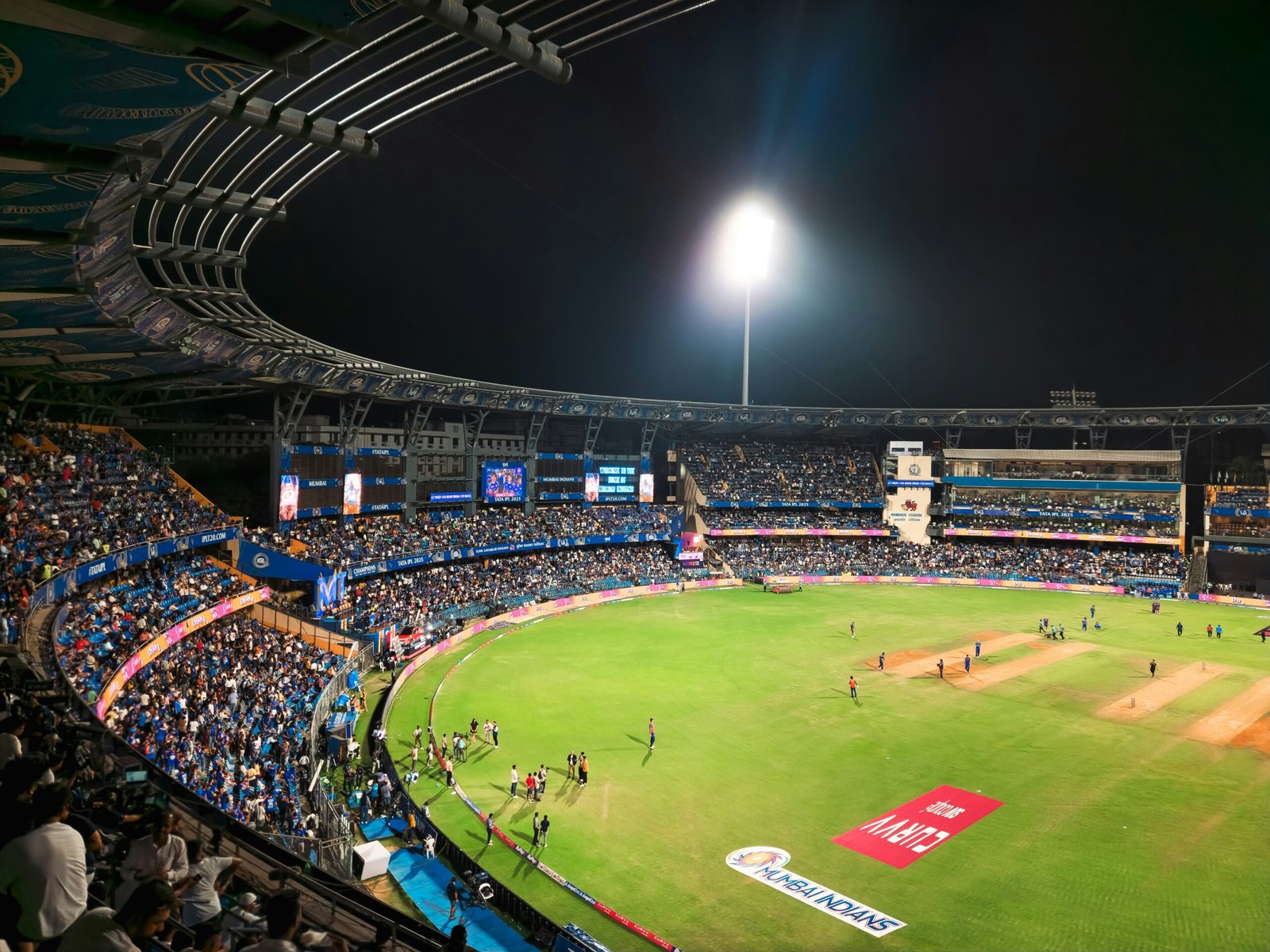
The International Cricket Council (ICC) has officially rejected the Bangladesh Cricket Board’s (BCB) request to move their 2026 T20 World Cup matches out of India, forcing Bangladesh into a corner just months before the tournament.
The decision was finalised during meetings held on January 6–7, 2026, with the ICC making it clear that the fixtures in Kolkata and Mumbai will remain unchanged. Bangladesh must now either travel to India and fulfil their fixtures or risk forfeiting crucial World Cup points. The standoff has added another chapter to the growing tension between the BCB and the Board of Control for Cricket in India (BCCI), following political fallout and the controversial removal of Mustafizur Rahman from the IPL earlier this season.
Notably, this situation was flagged months ago by Scorzo, which warned that political pressure was slowly creeping into ICC tournament planning. In our earlier breakdown, Scorzo highlighted the growing trend of boards using diplomatic tensions as leverage during global events.
Read the full Scorzo analysis here: Bangladesh ask ICC to shift T20 World Cup 2026 matches from India
Why the ICC Rejected Bangladesh’s Venue Shift Request
The BCB cited player safety and political unrest as reasons for requesting a move to Sri Lanka, the tournament’s co-host. However, the ICC did not find enough verified security risk to justify a venue change. According to reports from India Today, the ICC informed Bangladesh that refusing to play in India would carry sporting consequences, including the loss of points. While the BCB later denied receiving a formal “ultimatum,” the global body maintained that the schedule would not be altered.
From the ICC’s perspective, allowing Bangladesh to relocate matches would set a dangerous precedent. Similar requests in the past, most notably involving Pakistan, have already strained tournament planning. Granting another exception would weaken the ICC’s authority and disrupt future World Cup logistics. Teams like India, Bangladesh, and Sri Lanka are expected to operate under the same tournament framework. The ICC believes that selective flexibility based on politics rather than proven security threats undermines the credibility of global events.
What Is the Ideal Solution to This Problem?
While the ICC’s hard stance protects structure, a strict “play or forfeit” approach only fuels resentment. A more balanced solution would involve independent security verification. Instead of relying on host or visiting boards, the ICC should deploy a neutral third-party security agency to assess risks on the ground. If the venue passes inspection, the match goes ahead. If not, relocation becomes mandatory, not negotiable.
Another workable option is a “hybrid-light” model. High-risk games could be played in the same country but moved to neutral cities or held under tighter access rules. This keeps the schedule intact while addressing genuine safety concerns. This approach protects players without opening the door to political bargaining.
How the ICC Can Avoid Such Issues in the Future
The Bangladesh case highlights a broader problem: the ICC lacks robust preventive measures. First, all teams should sign binding venue agreements at least a year before tournaments. Venue changes should only be triggered by ICC-appointed security audits not government pressure or board disputes.
Second, every major event must have pre-approved backup hubs, such as Colombo or Dubai. These locations should be logistically ready, removing leverage from boards seeking last-minute moves. Finally, the ICC must depoliticise scheduling from the start by placing high-tension fixtures in calmer cities or neutral venues during planning itself. Unless these reforms are introduced, the ICC risks facing the same crisis again and again every World Cup cycle.