
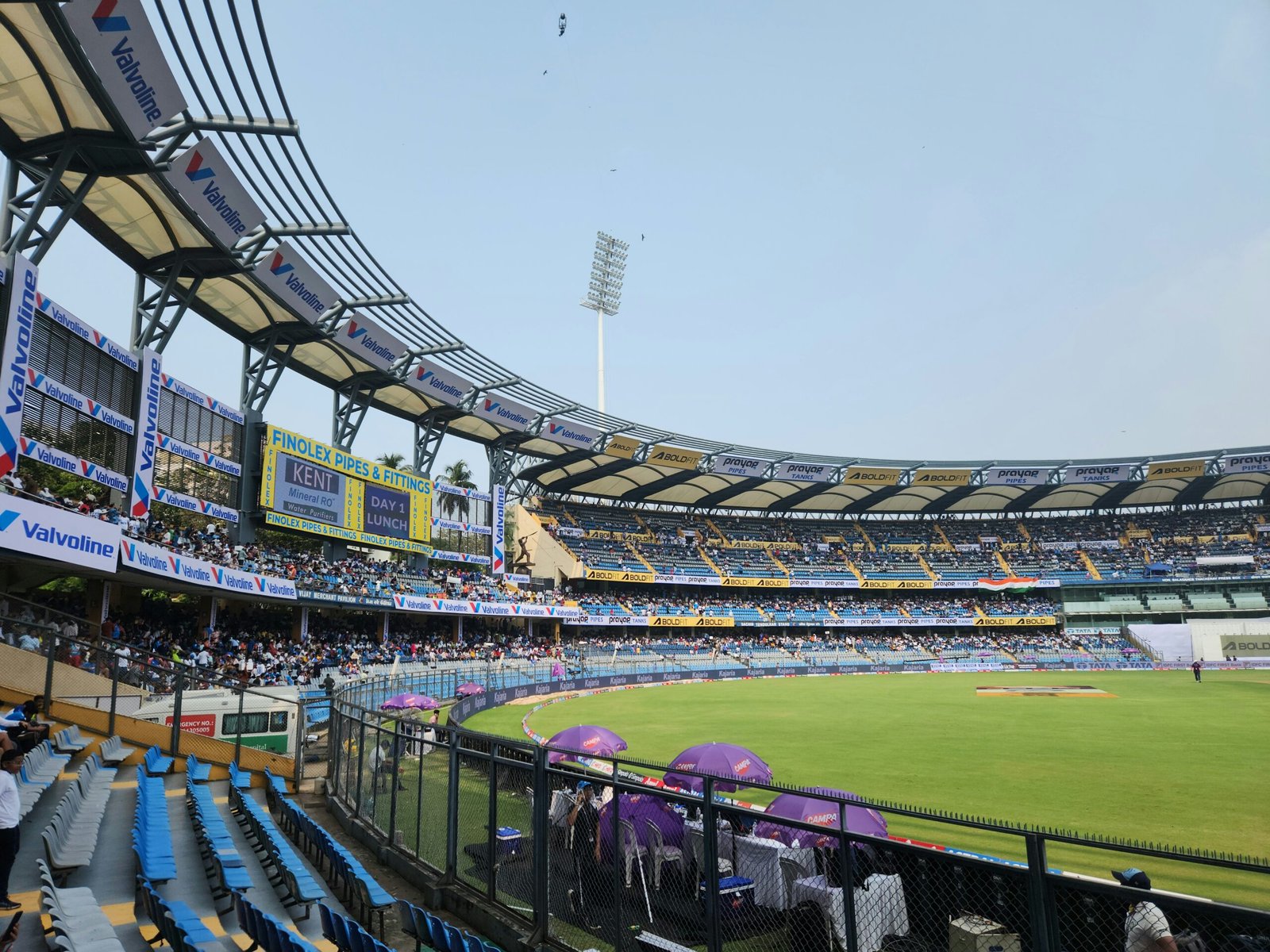
As India moves closer to the 2026 T20 World Cup, the return of Tilak Varma is quietly becoming one of the most important selection moments of the cycle. This is not only about fitting a talented batter back into the side. It is about defining what kind of top order gives India the best chance to dominate quality bowling attacks in pressure games.
India’s recent T20 line-ups have been shaped by injuries and short-term form. With Tilak expected back after abdominal surgery, the team finally has the chance to move closer to its first-choice structure. That makes the question of India’s ideal playing XI unavoidable.
Why Tilak Varma changes India’s top order balance
Tilak Varma’s value goes beyond runs. He offers calm in the middle overs, control against spin, and the ability to accelerate without losing shape. Before his injury, he had almost locked down the No. 3 spot for India in T20 cricket.
When Tilak bats at three, India gains flexibility. Abhishek Sharma can attack freely at the top, knowing there is stability behind him. Suryakumar Yadav can continue at No. 4 as the main aggressor, entering when the field is still spread but the run rate needs a push.
This structure also protects India from becoming too predictable. A left-hander at three, sandwiched between right-handers, forces bowlers to keep changing lines and plans. Against teams like Australia or England, that small detail often decides powerplay and middle over momentum.
The Samson Kishan debate once Tilak returns
The biggest question around the playing XI is the wicketkeeper-opener role. Ishan Kishan’s explosive innings against New Zealand have reopened the conversation, especially while Tilak was unavailable. Kishan offers early momentum and left-handed aggression, which is always tempting.
However, once Tilak returns, India must think beyond one series. The top three of Abhishek Sharma, Ishan Kishan, and Tilak Varma would be entirely left-handed. On flat pitches, it can look powerful, but at the World Cup level, it becomes easier to plan against with set angles and matchups.
Sanju Samson’s case survives here. As a right-handed opener and wicketkeeper, he breaks patterns. Even if his returns have been modest, his presence makes India harder to bowl to in the first six overs. That balance matters more in knockout games than raw strike rate from one match.
India’s ideal playing XI with Tilak Varma back
Based on current form, fitness, and conditions in India and Sri Lanka, this is the most balanced XI:
Abhishek Sharma
Sanju Samson (WK)
Tilak Varma
Suryakumar Yadav (C)
Hardik Pandya
Shivam Dube
Rinku Singh
Axar Patel (VC)
Varun Chakravarthy
Arshdeep Singh
Jasprit Bumrah
This combination keeps left-right balance, protects the middle order, and preserves finishing power. It also allows tactical flexibility depending on pitch and opponent, something India lacked in past T20 World Cups.
With Tilak Varma back, India finally has the pieces to build a clear first-choice XI. The challenge now is sticking to a structure, not chasing every short burst of form.